
Creamy Seafood Bisque Recipe Perfect for Any Occasion

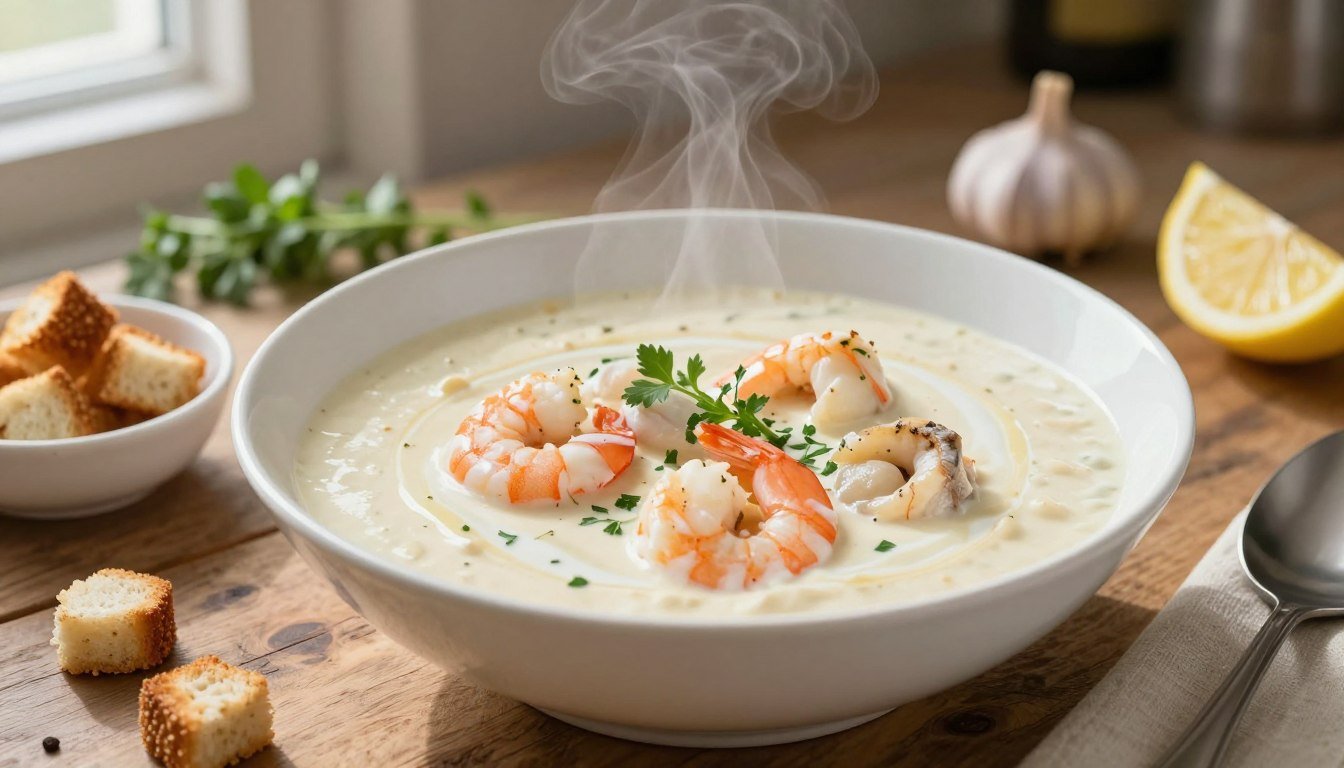
There is something truly magical about a warm bowl of soup on a chilly evening. Whether you are hosting a fancy dinner party or simply craving a comforting meal, a rich, velvety Seafood Bisque serves as the ultimate centerpiece. It transforms simple pantry staples into a restaurant-quality experience that feels both indulgent and deeply satisfying.
Many home cooks feel intimidated by complex French techniques, but this bisque recipe is surprisingly approachable. By focusing on high-quality ingredients, you can master one of the most elegant soup recipes in your kitchen. It is the perfect way to elevate your weeknight routine or impress guests with minimal stress.
If you are looking for shrimp recipes easy enough for a busy schedule, this dish is your new go-to. It offers a depth of flavor that rivals professional kitchens while remaining a staple among your favorite shrimp recipes. Discover how these shrimp recipes for dinner can bring a touch of luxury to your table tonight.
Key Takeaways
- Learn the secrets to achieving a perfectly velvety texture in your homemade soup.
- Discover why this elegant dish is the ideal centerpiece for special gatherings.
- Master a simple, approachable method that makes gourmet cooking feel effortless.
- Explore how high-quality ingredients transform basic pantry items into a restaurant-style meal.
- Find out why this classic recipe is a must-have for your collection of dinner favorites.
The Art of Crafting the Perfect Seafood Bisque
From 17th-century French kitchens to your own dining table, the evolution of Seafood Bisque is a fascinating tale. This refined soup has transformed over centuries, moving from a rustic fisherman’s stew into a sophisticated staple of fine dining. Understanding its history helps you appreciate the delicate balance required to create a truly memorable bowl.
Understanding the Flavor Profile of a Classic Bisque
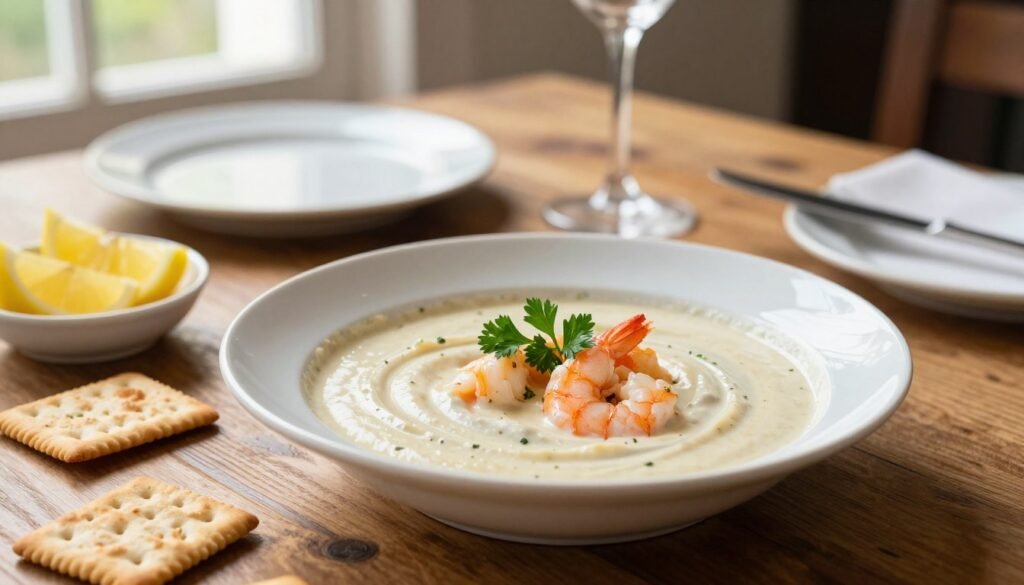
A successful bisque recipe relies on the harmony between sweet seafood and savory aromatics. The foundation is built upon a mirepoix, which provides a subtle, earthy depth that supports the main protein. This base is then elevated by a signature silky mouthfeel, achieved through careful emulsification and the addition of cream.
The complexity of this seafood dish comes from layering flavors slowly. By balancing the natural salinity of the ocean with rich, velvety textures, you create a sensory experience that is both comforting and elegant. It is this precise combination that makes it a standout among various soup recipes.
Why Homemade Seafood Bisque Outshines Restaurant Versions
While many restaurants serve delicious options, making your own Seafood Bisque at home offers unmatched advantages. You gain complete control over the quality of your ingredients, ensuring that only the freshest catch makes it into your pot. This level of care is often difficult for commercial kitchens to replicate consistently.
Furthermore, crafting your own seafood dish recipes allows you to adjust the seasoning and richness to your personal preference. You can experiment with different herbs or a splash of spirits to find your perfect balance. The following table highlights why the homemade approach is often superior for discerning home cooks.
| Feature | Homemade Bisque | Restaurant Bisque |
|---|---|---|
| Ingredient Freshness | Peak quality | Variable |
| Customization | Fully adjustable | Fixed recipe |
| Cost Efficiency | High value | Premium pricing |
| Flavor Depth | Deep and nuanced | Often standardized |
Essential Ingredients for a Rich and Velvety Base
The secret to a truly velvety Seafood Bisque lies in the quality of your base components. When you prioritize premium items, you elevate your cooking from a simple meal to a gourmet experience. Every choice you make in the kitchen influences the final texture and depth of your dish.
Selecting the Freshest Seafood Options
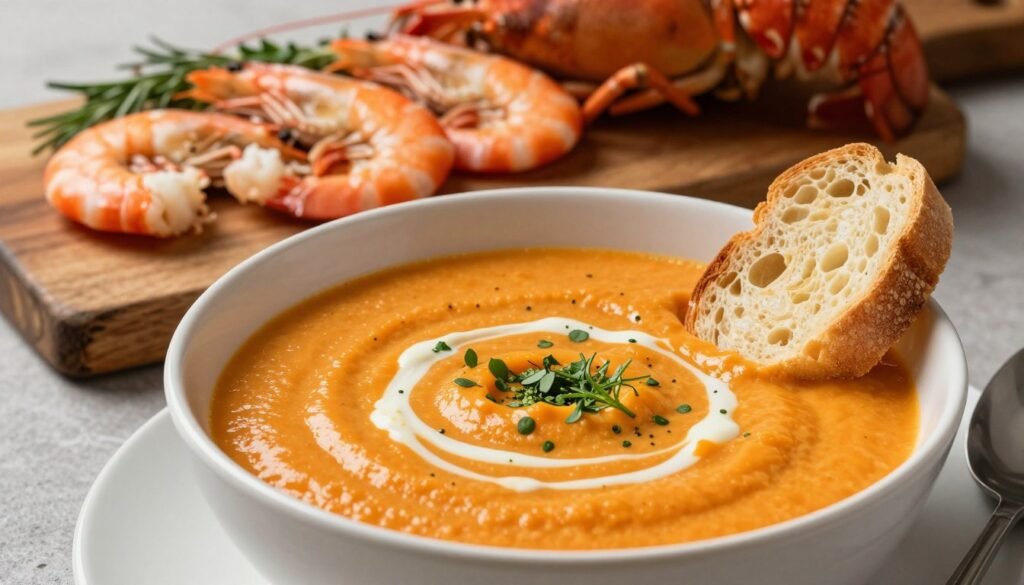
To craft the best bisque recipe, you must start with high-quality proteins. Look for wild-caught shrimp and fresh, lump crab meat to provide a sweet, oceanic flavor. These ingredients serve as the heart of your seafood dishes, so never compromise on freshness.
If you are exploring various seafood dish recipes, remember that the quality of your shells and scraps is just as important as the meat itself. These remnants are essential for building a flavorful stock. Always source your seafood from reputable fishmongers to ensure the highest standards.
The Role of Aromatics and Mirepoix in Depth of Flavor
A classic mirepoix acts as the aromatic foundation for many professional fish dishes. By slowly sautéing a mixture of finely diced onions, celery, and carrots in butter, you create a sweet and savory base. This step is vital for developing the complex flavor profile that defines a traditional Seafood Bisque.
Do not rush the cooking process for these vegetables. Allowing them to soften and release their natural sugars provides a necessary balance to the richness of the seafood. This simple technique is a hallmark of many successful seafood dish recipes.
Choosing the Right Dairy for Creaminess
Achieving a luxurious consistency requires the use of high-quality dairy products. Using full-fat heavy cream is non-negotiable if you want that signature velvety mouthfeel. High-quality, unsalted butter also plays a key role in emulsifying the soup and adding a silky finish to your favorite bisque recipe.
| Ingredient Category | Quality Standard | Impact on Dish |
|---|---|---|
| Seafood | Wild-caught/Fresh | Depth of flavor |
| Aromatics | Fresh Mirepoix | Aromatic foundation |
| Dairy | Full-fat Cream | Velvety texture |
| Fats | High-quality Butter | Richness and sheen |
When preparing seafood dishes, the balance of these fats ensures the soup remains smooth rather than thin. By selecting the best components, you ensure your fish dishes stand out with professional-grade quality.
Mastering the Seafood Stock Technique
The secret to a truly professional Seafood Bisque lies hidden in the pot long before the cream is added. While many cooks reach for pre-made cartons, the true depth of flavor comes from a foundation built from scratch. This essential process transforms humble ingredients into a rich, briny elixir that defines the best soup recipes.
Why Homemade Stock Makes a Difference
Store-bought stocks often lack the concentrated essence required for a high-quality bisque recipe. By using leftover shells and heads from shrimp, lobster, or crab, you capture the natural oils and minerals that provide an authentic oceanic profile. This method not only reduces food waste but also ensures your final dish possesses a complexity that mass-produced alternatives simply cannot replicate.
Step-by-Step Guide to Simmering Shells and Scraps
Begin by lightly sautéing your cleaned shells in a bit of butter or oil until they turn a vibrant pink. Add aromatics like onions, celery, carrots, and a bay leaf to the pot to build a savory base. Cover the ingredients with cold water and bring the mixture to a gentle simmer, allowing the flavors to meld slowly over forty-five minutes.
Straining and Clarifying Your Liquid Gold
Once the simmering is complete, pass the liquid through a fine-mesh sieve to remove all solid particles. For an even more refined texture, line your strainer with cheesecloth to catch any fine grit or debris. This meticulous step ensures your base remains smooth and clear, providing the perfect canvas for your creamy additions.
| Stock Type | Flavor Intensity | Best Use |
|---|---|---|
| Homemade Shell Stock | High/Briny | Seafood Bisque |
| Store-Bought Fish Stock | Moderate/Neutral | Light Soups |
| Vegetable Broth | Low/Earthy | Vegetarian Stews |
Preparing Your Seafood for the Pot
Achieving the perfect texture in your Seafood Bisque starts long before you turn on the stove. Proper preparation of your proteins is the essential foundation for a professional result. When you take the time to clean and handle your ingredients with care, you ensure that every bite remains tender and flavorful.
Cleaning and Deveining Shrimp Properly
Many home cooks look for shrimp recipes easy enough to prepare on a busy weeknight. The key is to master the deveining process early on. Use a small paring knife to make a shallow incision along the back of the shrimp, then gently lift out the dark vein with the tip of your blade.
Rinse the shrimp under cold water to remove any remaining grit. This simple step is a staple in most shrimp recipes and guarantees a clean, sweet flavor. Always pat your shrimp dry with a paper towel before adding them to your pot to ensure they sear beautifully.
Handling Delicate Scallops and White Fish
When working with fish dishes, you must treat the protein with extreme gentleness. Scallops should be patted completely dry to ensure they maintain their buttery texture without becoming watery. Remove the small, tough side muscle from the scallop if it is still attached, as this can be chewy.
For white fish, cut the fillets into uniform, bite-sized chunks. This consistency allows the fish to cook evenly throughout your seafood dishes. Handle these delicate pieces with a light touch to prevent them from breaking apart before they reach the bowl.
Timing the Addition of Seafood to Prevent Overcooking
Timing is the most critical factor when you are preparing shrimp recipes for dinner. Seafood cooks very quickly and can turn rubbery if left in the heat for too long. Add your proteins during the final few minutes of the simmering process to preserve their natural moisture.
Watch the color of your seafood closely as it cooks. Shrimp should turn a vibrant pink, while white fish should become opaque and flake easily with a fork. Removing the pot from the heat immediately once the seafood is cooked through will keep your meal tasting fresh and luxurious.
The Creamy Seafood Bisque Cooking Process
Achieving that signature velvety texture in your Seafood Bisque requires a careful, step-by-step approach to the cooking process. By focusing on the interaction between heat and ingredients, you can transform simple components into a luxurious meal. This methodical approach ensures your final dish coats the back of a spoon with professional-grade elegance.
Creating the Roux for the Perfect Consistency
The foundation of any great bisque recipe is a well-executed roux. You should melt butter over medium heat before whisking in an equal amount of flour. Cook this mixture slowly until it reaches a light golden color, which removes the raw flour taste while providing the necessary thickening power.
Deglazing the Pan for Maximum Flavor
Once your roux is ready, it is time to build complexity by deglazing the pan. Pour in a splash of dry white wine to lift the flavorful browned bits, often called fond, from the bottom of your pot. This technique is a staple in many shrimp recipes, as it adds a bright, acidic layer that cuts through the richness of the seafood.
Balancing the Cream and Stock Ratios
The final stage involves carefully incorporating your liquid base to achieve the ideal mouthfeel. Gradually whisk in your homemade stock, followed by the heavy cream, to ensure a smooth, lump-free consistency. Maintaining the right ratio is vital; you want a Seafood Bisque that feels indulgent without being overly heavy. When you master these simple soup recipes techniques, you gain the confidence to create restaurant-quality results in your own kitchen.
Flavor Enhancers and Secret Ingredients
The secret to a truly professional Seafood Bisque lies in the subtle layers of flavor you build at the end. While the base provides the foundation, these final additions transform a simple meal into a memorable culinary experience. By carefully selecting your finishing touches, you can ensure every spoonful is perfectly balanced.
The Impact of Dry Sherry or Cognac
A splash of high-quality dry sherry or cognac acts as a bridge between the heavy cream and the delicate seafood. These spirits introduce a sophisticated, nutty undertone that cuts through the richness of the dairy. Adding just a tablespoon or two near the end of the cooking process creates a complex profile that defines a classic bisque recipe.
Using Fresh Herbs to Brighten the Dish
Fresh herbs are essential for lifting the heavy notes of a creamy soup. Finely chopped parsley or chives provide a vibrant pop of color and a clean, aromatic finish. We recommend stirring these in right before serving to preserve their delicate oils and bright flavor profile.
Adjusting Seasonings with Smoked Paprika and Cayenne
To add warmth and visual appeal, consider the strategic use of specific spices. Smoked paprika imparts a subtle, woodsy depth, while a pinch of cayenne pepper offers a gentle heat that lingers on the palate. You should always taste your Seafood Bisque before serving to ensure these spices harmonize with the natural sweetness of your ingredients.
- Dry Sherry: Adds a nutty, elegant depth.
- Fresh Chives: Provides a bright, onion-like bite.
- Smoked Paprika: Enhances the color and adds a hint of smoke.
- Cayenne Pepper: Delivers a necessary touch of warmth.
Troubleshooting Common Bisque Challenges
Even the most skilled home chefs occasionally face hurdles when preparing a delicate Seafood Bisque. While these soup recipes are designed to be elegant, the process requires careful attention to detail. If your dish does not look or taste quite right, you can often save it with a few simple adjustments.
Fixing a Bisque That Is Too Thin
A thin consistency is a common issue when following a new bisque recipe. If your soup lacks the desired velvety body, you can create a slurry by mixing one tablespoon of cornstarch with two tablespoons of cold water. Whisk this mixture into the simmering liquid and let it cook for two minutes to thicken.
Alternatively, you can simply simmer the soup uncovered for a longer period. This process reduces the liquid, naturally concentrating the flavors and thickening the texture without adding extra starches.
Preventing the Cream from Curdling
Curdling often happens when dairy is exposed to high heat or acidic ingredients too quickly. To prevent this, always temper your cream by adding a small amount of the hot soup to the cold cream in a separate bowl before combining them. This gradual temperature change keeps the proteins stable.
Never allow your pot to reach a rolling boil once the cream has been added. Keep the heat at a gentle simmer to maintain a smooth, luxurious mouthfeel.
Balancing Saltiness and Acidity
If your soup tastes too salty, you can add a splash of water or unsalted stock to dilute the intensity. A small pinch of sugar or a dollop of crème fraîche can also help mask excess saltiness effectively.
When the flavor feels flat or overly rich, a squeeze of fresh lemon juice or a dash of sherry vinegar provides the necessary brightness. These small tweaks ensure your final dish is perfectly balanced and delicious.
| Common Issue | Primary Cause | Quick Fix |
|---|---|---|
| Thin Texture | Excess liquid | Cornstarch slurry |
| Curdled Cream | High heat | Temper the dairy |
| Too Salty | Over-reduction | Add unsalted stock |
| Lacks Depth | Missing acid | Add lemon juice |
Creative Variations for Your Seafood Bisque
Exploring new flavor profiles allows you to turn a simple bowl of soup into a signature dish. Once you feel confident with the foundational techniques, you can begin to experiment with bold additions that reflect your personal taste. These adaptations help you expand your collection of seafood dish recipes while keeping your kitchen routine exciting.
Adding Lobster or Crab for a Luxurious Twist
For special occasions, you can easily elevate your Seafood Bisque by incorporating premium shellfish. Adding chunks of butter-poached lobster tail or sweet lump crab meat provides a decadent texture that impresses any guest. These additions turn a standard meal into a high-end dining experience right at your own table.
Incorporating Roasted Vegetables for Earthy Notes
If you prefer a more complex flavor profile, try adding roasted root vegetables to your base. Roasting carrots, parsnips, or fennel before blending them into the soup adds a deep, earthy sweetness that balances the richness of the cream. This technique is a fantastic way to introduce more nutrients into your favorite seafood dishes.
Spicy Cajun-Inspired Bisque Adaptations
For those who enjoy a bit of heat, a Cajun-inspired twist can bring a vibrant energy to your bowl. By adding smoked andouille sausage, extra cayenne pepper, and a touch of hot sauce, you create a robust profile that stands out among traditional fish dishes. This variation is perfect for chilly evenings when you crave something bold and warming.
| Variation Style | Key Ingredient | Flavor Profile |
|---|---|---|
| Luxurious | Lobster or Crab | Rich and Sweet |
| Earthy | Roasted Root Veggies | Deep and Savory |
| Spicy | Cajun Spices/Sausage | Bold and Zesty |
Whether you choose to keep it classic or experiment with these unique twists, your Seafood Bisque will always be a crowd-pleaser. Feel free to mix and match these ideas to find the perfect balance for your next dinner party.
Pairing Your Bisque with the Perfect Sides
Transform your dining experience by pairing your bowl with thoughtful, flavorful sides. A rich Seafood Bisque is best enjoyed when you provide textures and flavors that cut through its natural intensity. By selecting the right accompaniments, you elevate a simple meal into a memorable culinary event.
Choosing the Best Crusty Breads for Dipping
The most essential companion to any creamy soup is high-quality, crusty bread. You want a loaf with a sturdy, chewy crust and a soft, airy interior that can soak up every last drop of the flavorful broth.
We recommend the following options for your table:
- Sourdough: The slight tang perfectly complements the sweetness of the seafood.
- French Baguette: Its thin, crispy crust provides a satisfying crunch in every bite.
- Ciabatta: The large air pockets are ideal for holding onto bits of herbs and aromatics.
Light Salad Pairings to Balance the Richness
Because this dish is quite decadent, a light, acidic salad serves as the perfect palate cleanser. The classic soup and salad combination works wonders here by providing a refreshing contrast to the creamy base.
Focus on greens that offer a crisp bite and a bright vinaigrette. A simple arugula salad with lemon zest or a shaved fennel salad with citrus segments will cut through the richness beautifully. These vibrant flavors ensure that each spoonful of your soup tastes just as exciting as the first.
Wine and Beverage Recommendations
Selecting the right drink is the final step in creating a balanced meal. You should look for crisp white wines that feature high acidity to cleanse the palate and enhance the natural sweetness of the shellfish.
Consider these excellent pairings for your next dinner:
- Sauvignon Blanc: Its zesty, citrus notes provide a sharp contrast to the cream.
- Chablis: This dry, mineral-forward wine highlights the delicate flavors of the seafood.
- Sparkling Wine: The effervescence adds a festive touch while cutting through the heavy texture.
If you prefer non-alcoholic options, a sparkling water with a generous squeeze of fresh lime or a chilled herbal tea with mint works exceptionally well. These choices keep the palate refreshed and ready for the next delicious bite.
Storing and Reheating Your Bisque
Learning how to store your leftovers correctly is the secret to enjoying your culinary efforts for days. Often, a Seafood Bisque tastes even better the next day because the complex flavors have more time to meld together. By following a few simple steps, you can keep your meal tasting fresh and vibrant.
Best Practices for Refrigeration
To keep your soup safe, always allow it to cool slightly before placing it in the refrigerator. Transfer the liquid into an airtight container to prevent it from absorbing other odors in your fridge. This method works perfectly for most bisque recipe variations, keeping the texture silky for up to three days.
Can You Freeze Seafood Bisque Successfully?
Freezing can be tricky because dairy-based soup recipes sometimes separate when thawed. If you plan to freeze your batch, consider leaving out the heavy cream until you are ready to serve. You can freeze the base stock and seafood mixture for up to one month without losing quality.
Gentle Reheating Methods to Maintain Texture
When you are ready to eat, avoid using high heat, which can cause the cream to curdle. Instead, place your Seafood Bisque in a saucepan over low heat and stir it frequently. If the soup seems too thick, add a small splash of stock or milk to restore its original, velvety consistency.
| Storage Method | Recommended Time | Best Practice |
|---|---|---|
| Refrigerator | 2-3 Days | Use airtight glass containers |
| Freezer | Up to 1 Month | Freeze base without cream |
| Reheating | 5-10 Minutes | Use low heat and stir often |
Hosting a Dinner Party Featuring Seafood Bisque
When you decide to serve a rich Seafood Bisque, your entire evening menu should be carefully curated to balance those bold, velvety flavors. A heavy, cream-based dish acts as a powerful centerpiece, so the surrounding courses must provide contrast to keep your guests feeling satisfied rather than overwhelmed.
Planning Your Menu Around a Rich Soup
The secret to a successful meal is finding the right harmony between your main course and the supporting dishes. A classic soup and salad combination works beautifully here, as the crisp acidity of a fresh vinaigrette cuts through the richness of the bisque.
Consider serving a light, citrus-forward green salad before the main event to awaken the palate. If you are looking for additional shrimp recipes for dinner to serve as appetizers, keep them simple and grilled to avoid repeating the heavy cream profile of your soup.
Presentation Tips for an Elegant Bowl
Visual appeal is just as important as taste when you are hosting guests. Always warm your bowls in the oven before serving to ensure the bisque stays at the perfect temperature throughout the meal.
Add a touch of artistry by using fresh garnishes that highlight the ingredients inside. A drizzle of high-quality olive oil, a sprinkle of fresh chives, or a single perfectly seared scallop can transform a simple bowl into a gourmet masterpiece.
Setting the Mood for a Seafood-Centric Meal
Creating an inviting atmosphere is the final step in hosting a memorable Seafood Bisque dinner. Soft, ambient lighting helps to establish a sophisticated tone that complements the elegance of your menu.
Choose a playlist featuring light jazz or acoustic melodies to keep the energy relaxed and conversational. By focusing on these small details, you ensure that your guests feel pampered and truly enjoy the culinary experience you have prepared.
Conclusion
Crafting a restaurant-quality Seafood Bisque at home brings a sense of accomplishment to any kitchen. You now possess the skills to balance rich stocks, velvety cream, and fresh ingredients into a masterpiece.
This classic bisque recipe serves as a foundation for your future kitchen experiments. You can adjust the flavors to suit your personal taste or the preferences of your guests.
Building confidence with these soup recipes allows you to elevate simple ingredients into something truly luxurious. Your ability to refine textures and depths of flavor will impress anyone at your table.
Take pride in the time you invest in your cooking. Every bowl of Seafood Bisque you prepare reflects your dedication to quality and taste. We invite you to keep exploring new ways to serve this timeless dish to your friends and family.
FAQ
Are these shrimp recipes easy enough for a beginner cook?
Absolutely! While a bisque sounds fancy, it is essentially a process of layering flavors. If you can sauté vegetables and simmer a pot, you can master these shrimp recipes easy and impress your family.
Can I serve this bisque alongside other fish dishes?
Yes, but keep the portions in mind. Since bisque is very rich, it pairs best with lighter fish dishes like grilled tilapia or a simple seared cod to avoid overwhelming your guests with too much heavy food.
Is this considered one of the best shrimp recipes for dinner?
It is certainly one of the most elegant. While many shrimp recipes for dinner focus on pasta or stir-fry, a bisque offers a sophisticated alternative that turns a standard weeknight meal into a special event.
How can I incorporate this into a soup and salad lunch?
For a perfect soup and salad pairing, serve a smaller cup of the bisque with a bright citrus salad. The acidity of the fruit will cut through the creamy base of the soup beautifully.
How does this recipe compare to other seafood dish recipes?
Most seafood dish recipes focus on the texture of the protein, but a bisque is all about the liquid. It uses the “essence” of the seafood to create a deep, unified flavor that you won’t find in a standard shrimp scampi or fish taco.
Are there other soup recipes that use a similar technique?
Yes, many cream-based soup recipes, such as corn chowder or mushroom bisque, use the same roux and dairy-balancing techniques. Once you master this, you can make almost any creamy soup from scratch.
What are the most popular seafood dishes to serve for the holidays?
Along with lobster tails and oysters, creamy bisques are among the most popular seafood dishes for holiday entertaining because they can be prepared partially in advance, leaving you more time with your guests.
Can I use frozen shrimp for these shrimp recipes?
You can! Just ensure they are fully thawed and patted dry before cooking. High-quality frozen shrimp recipes can be just as delicious as fresh ones, especially if you use the shells to boost your stock flavor.